Tsu Station East Exit Plaza Redesign
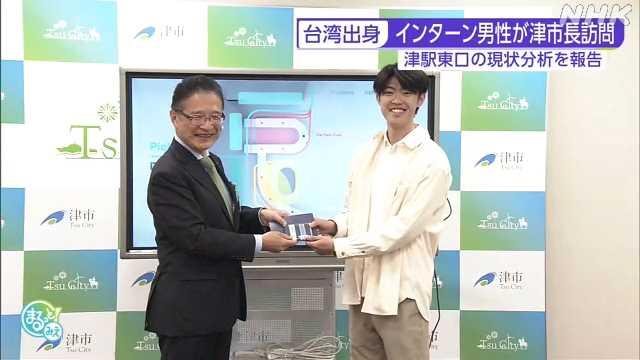
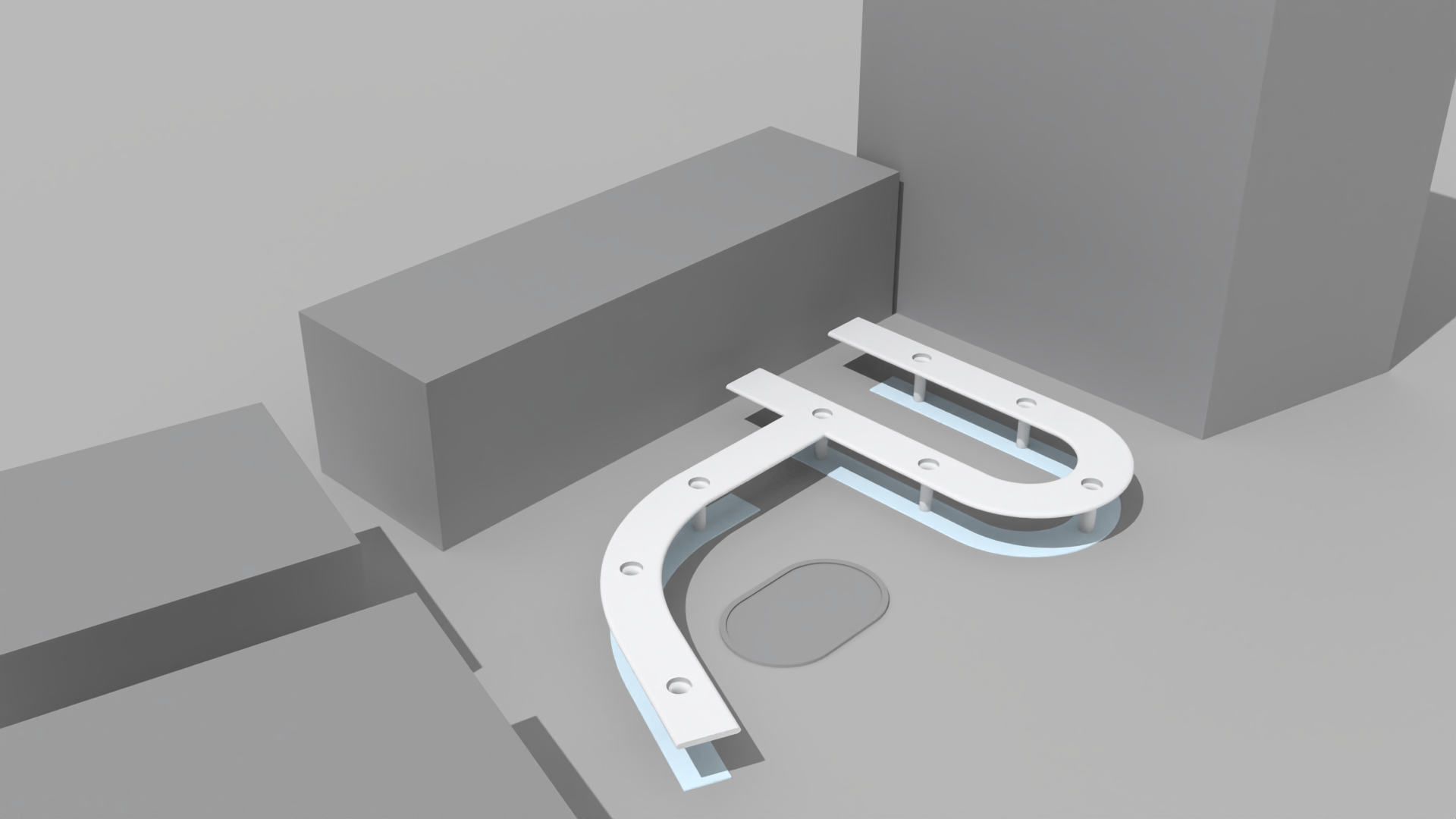
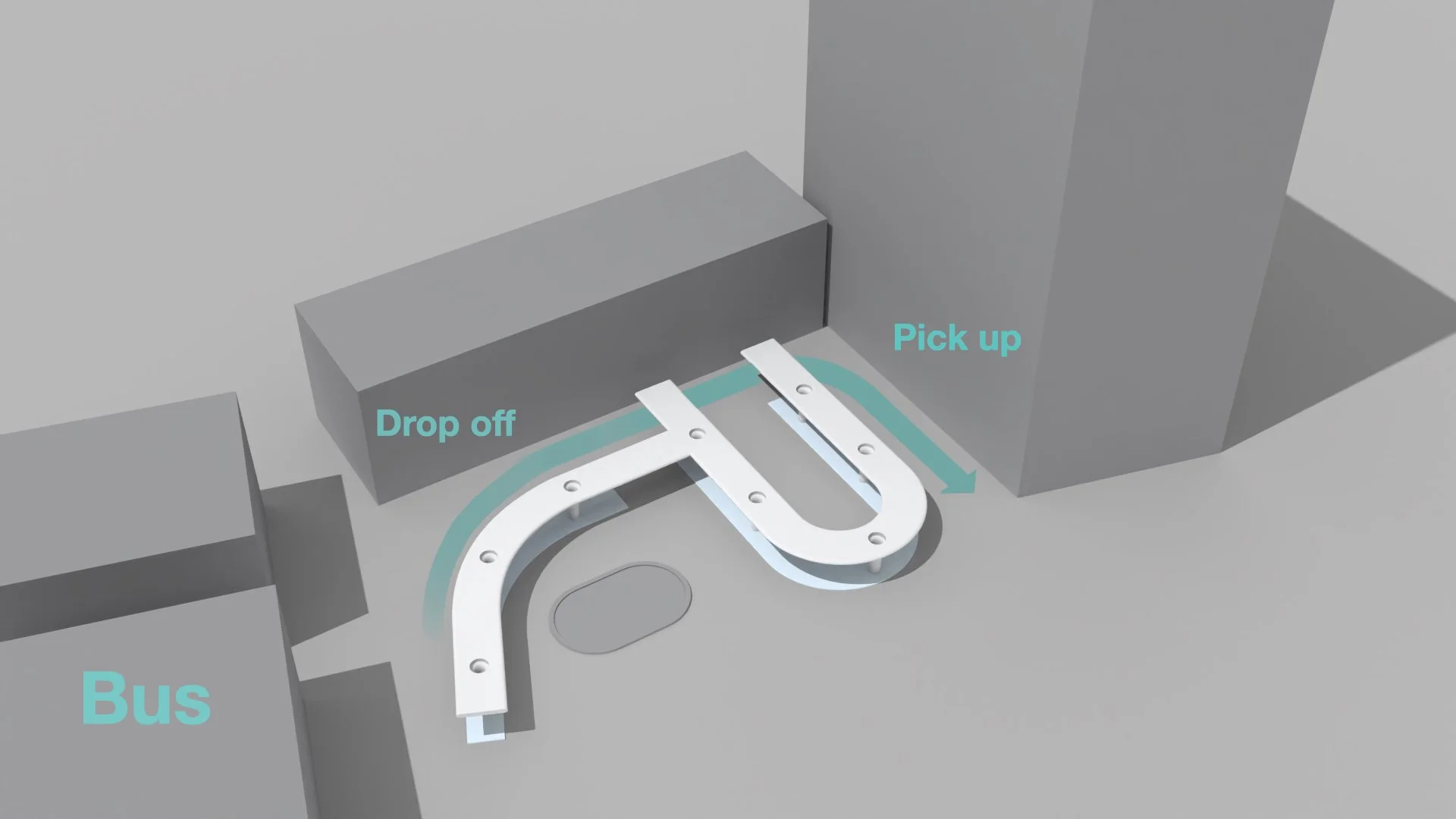
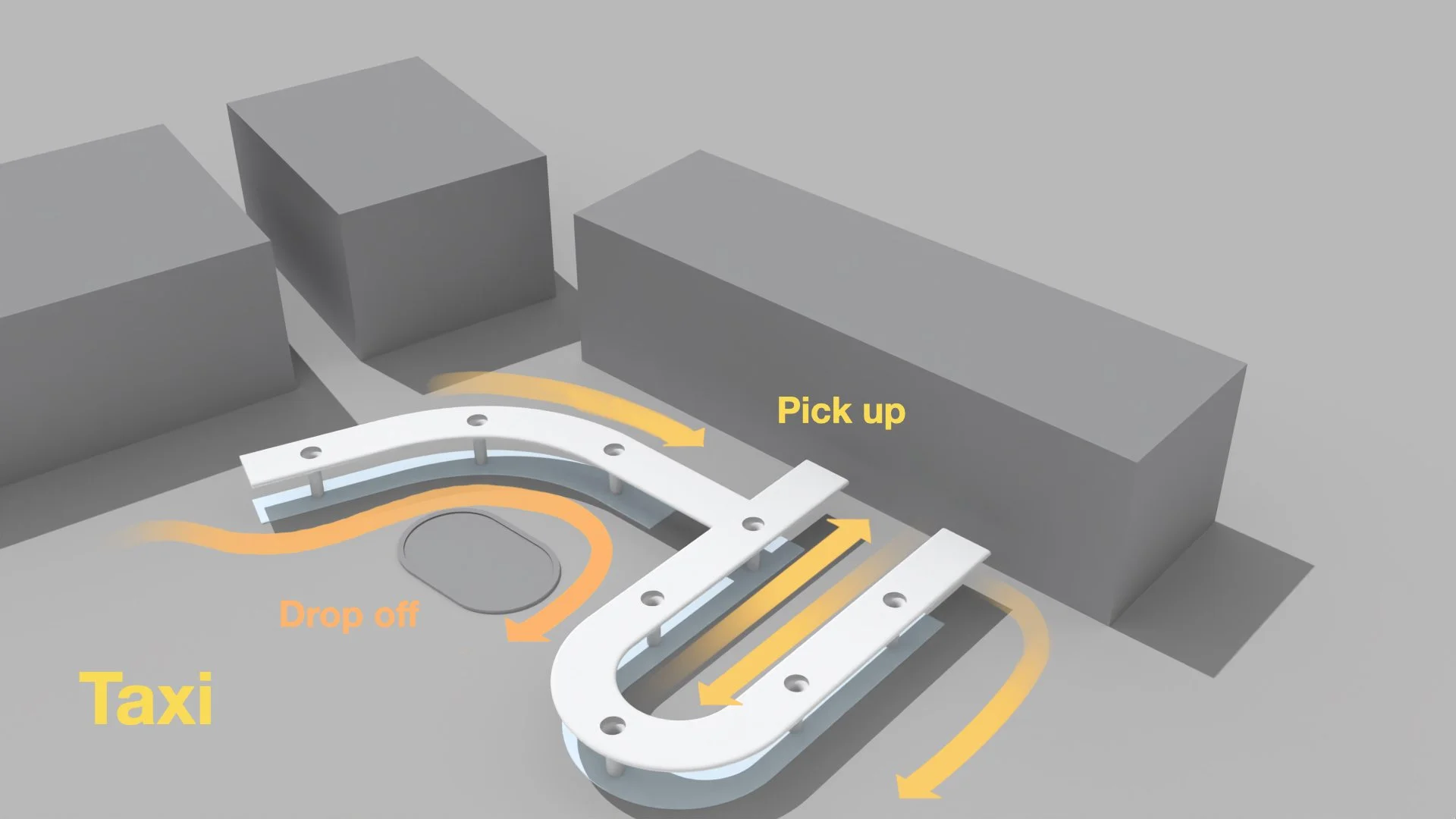
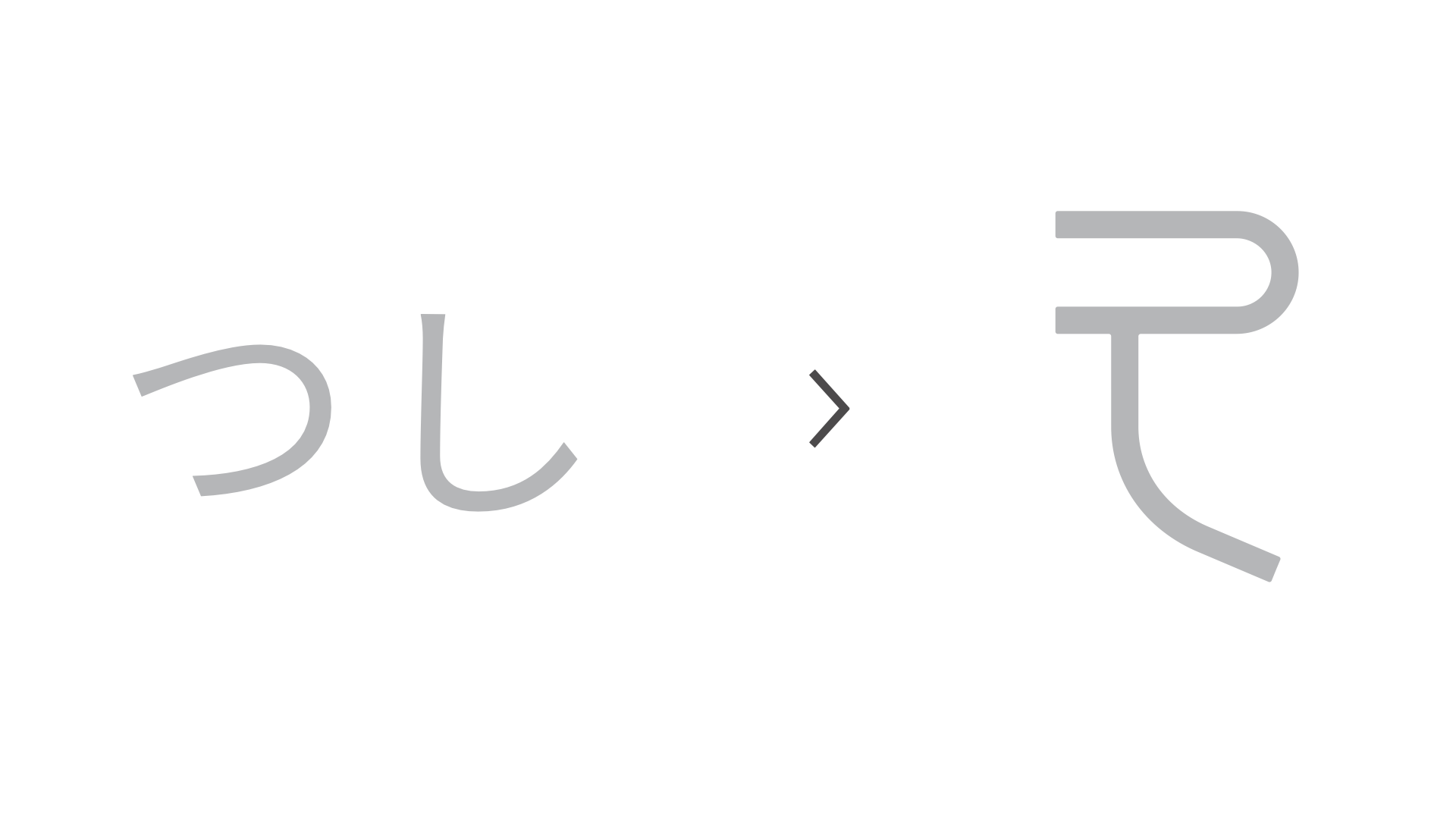
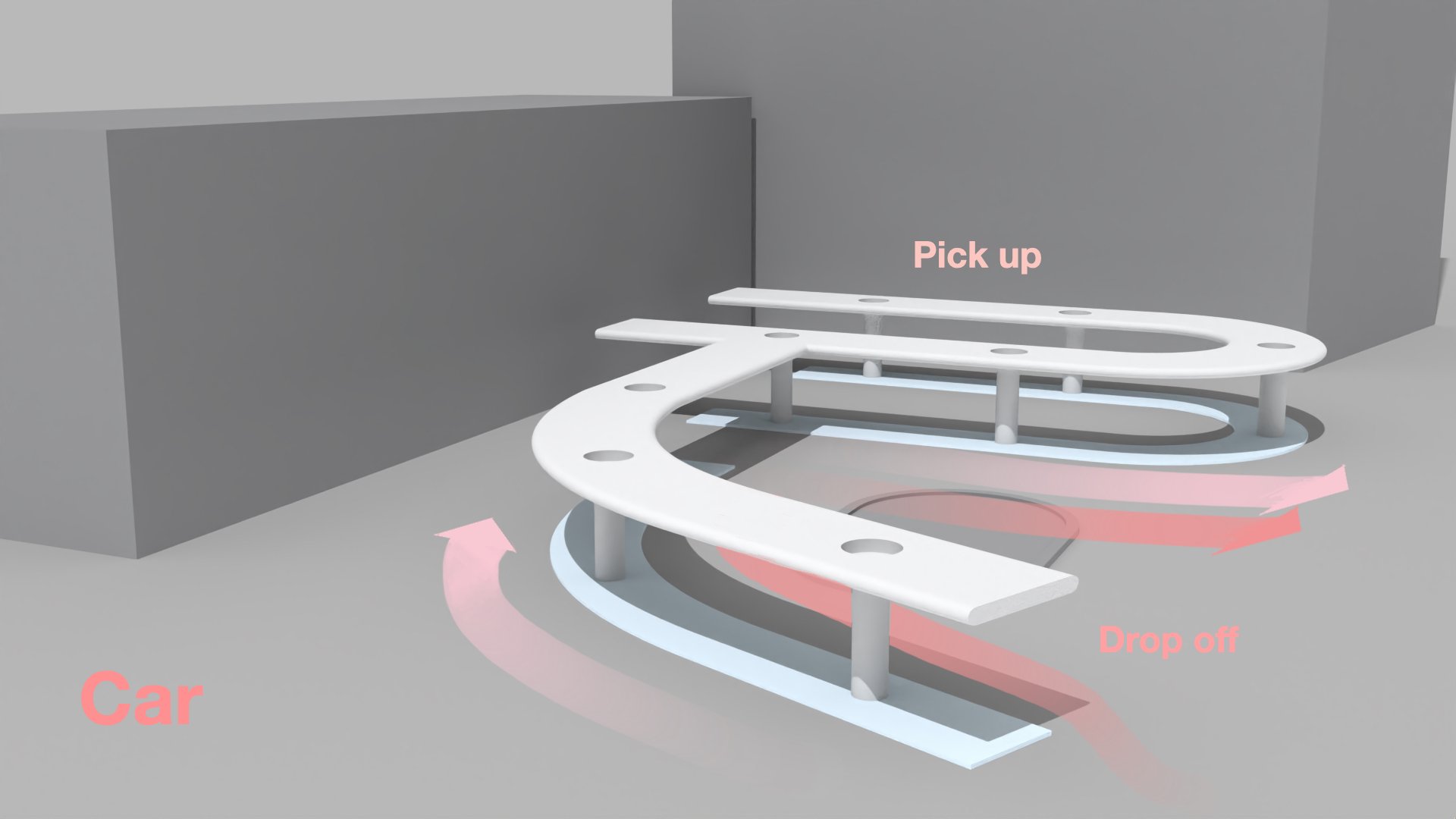
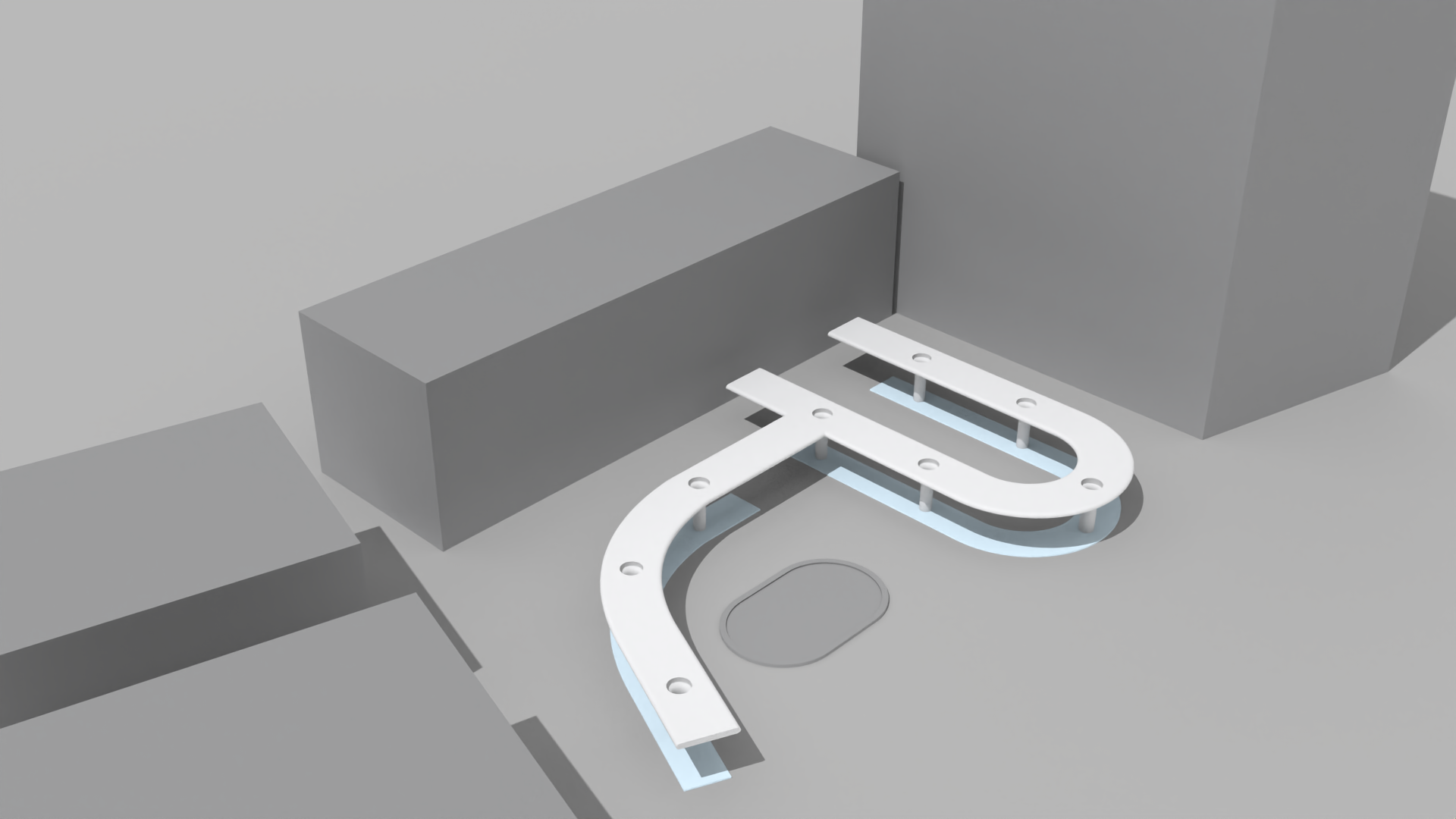
The east exit plaza of Tsu Station has struggled to accommodate evolving traffic demands, resulting in recurring congestion and circulation conflicts. This proposal reorganizes the plaza into three transportation zones — buses, taxis, and private vehicles — and introduces a platform derived from the hiragana “ つ し .” The structure functions as a physical divider, separating flows while reinforcing local identity. The proposal was presented to the mayor and later featured by NHK and Mie Times.
Launch
April 2024
Recognition
NHK Feature
Mie Times Interview
Tools
Adobe Creative Suite
Rhinoceros
Keynote
Scope
Field Research
Circulation Strategy
Public Presentation
Tsu, Mie Prefecture, Japan
Challenge
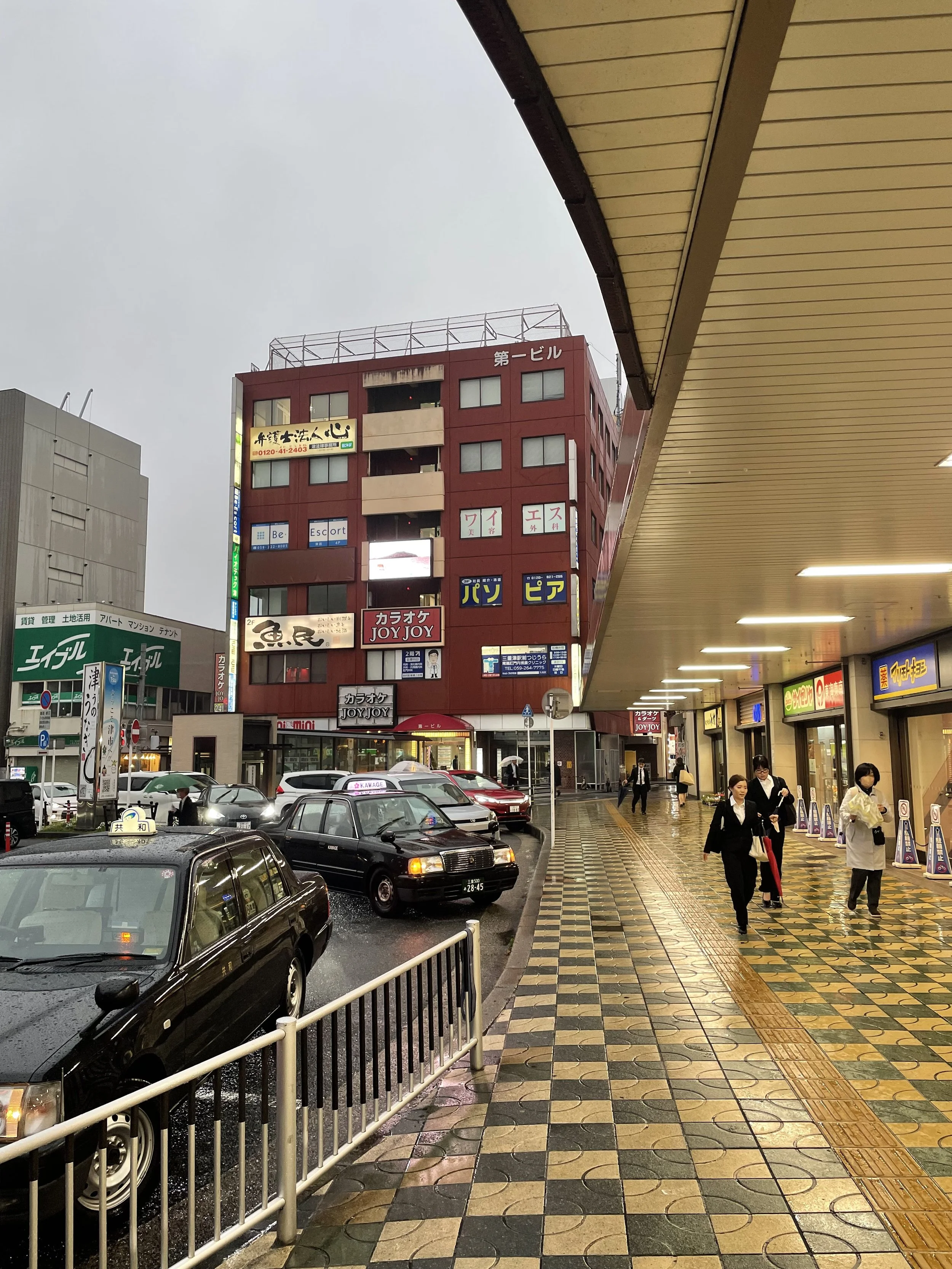
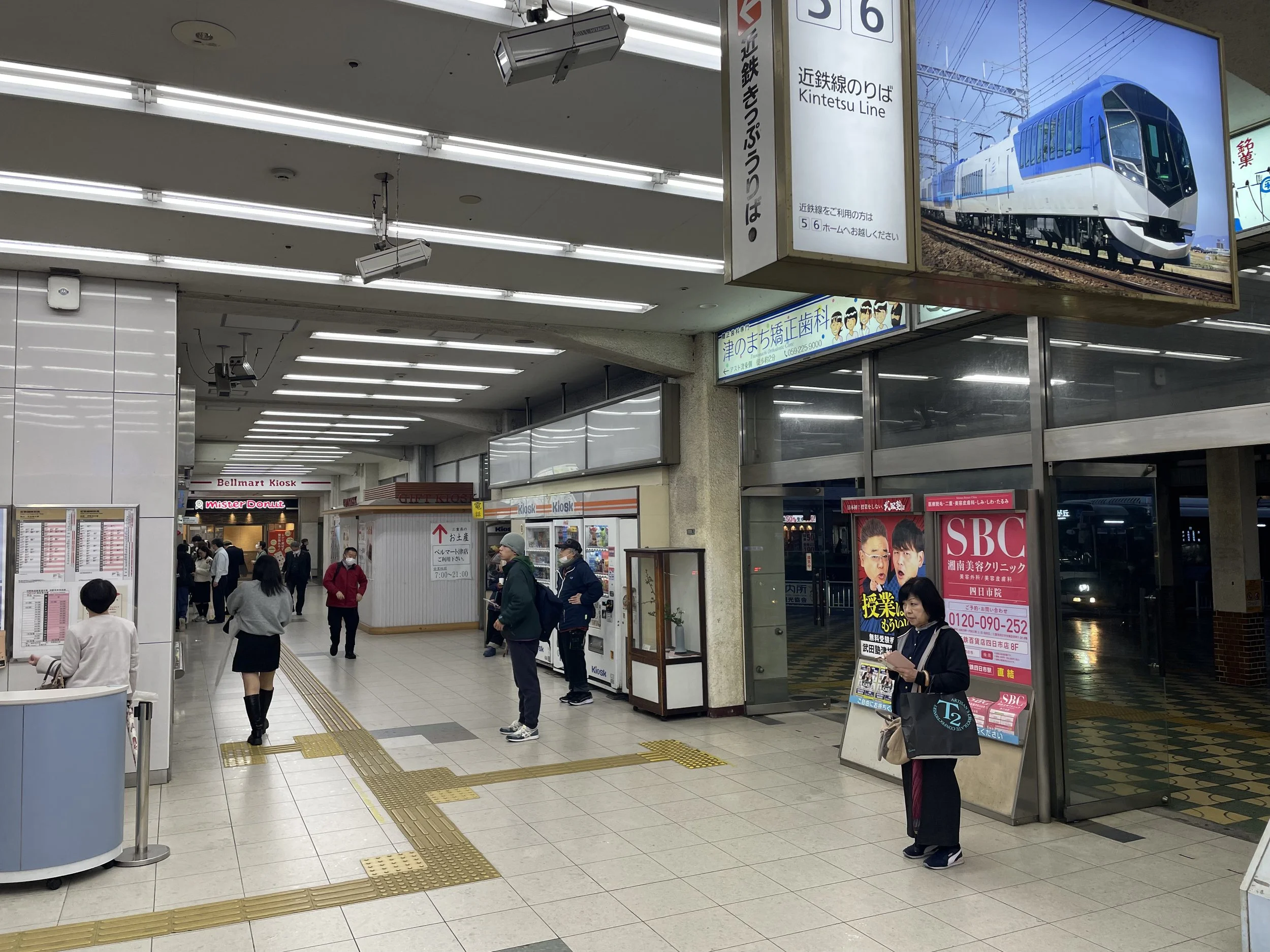
As commuting patterns evolved, the existing layout no longer supported current mobility demands. Increased traffic volume exposed weaknesses in wayfinding, spatial use, and circulation logic. Field observations identified significant conflicts among buses, taxis, private vehicles, and pedestrians, resulting in confusion and safety risks.
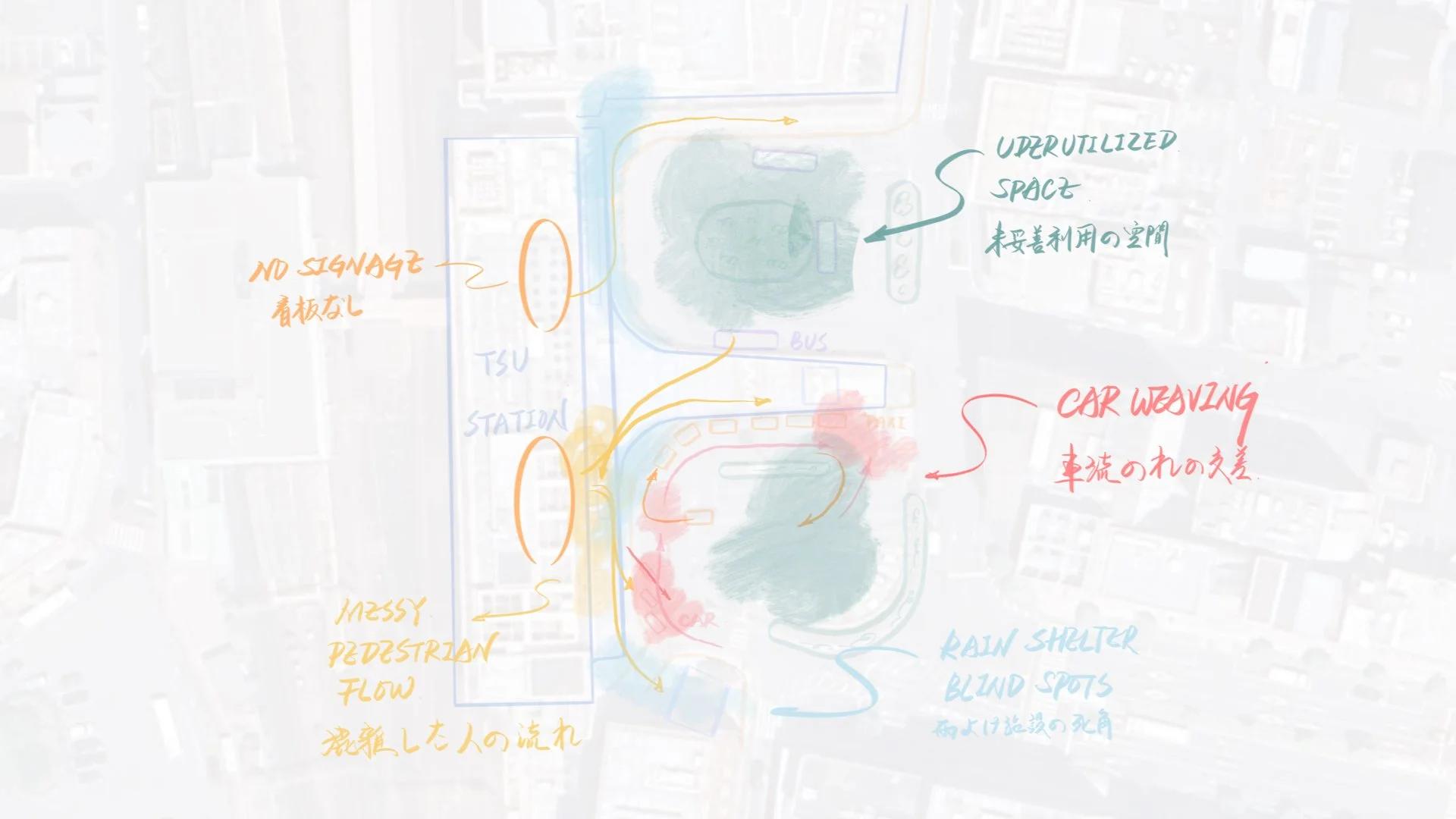
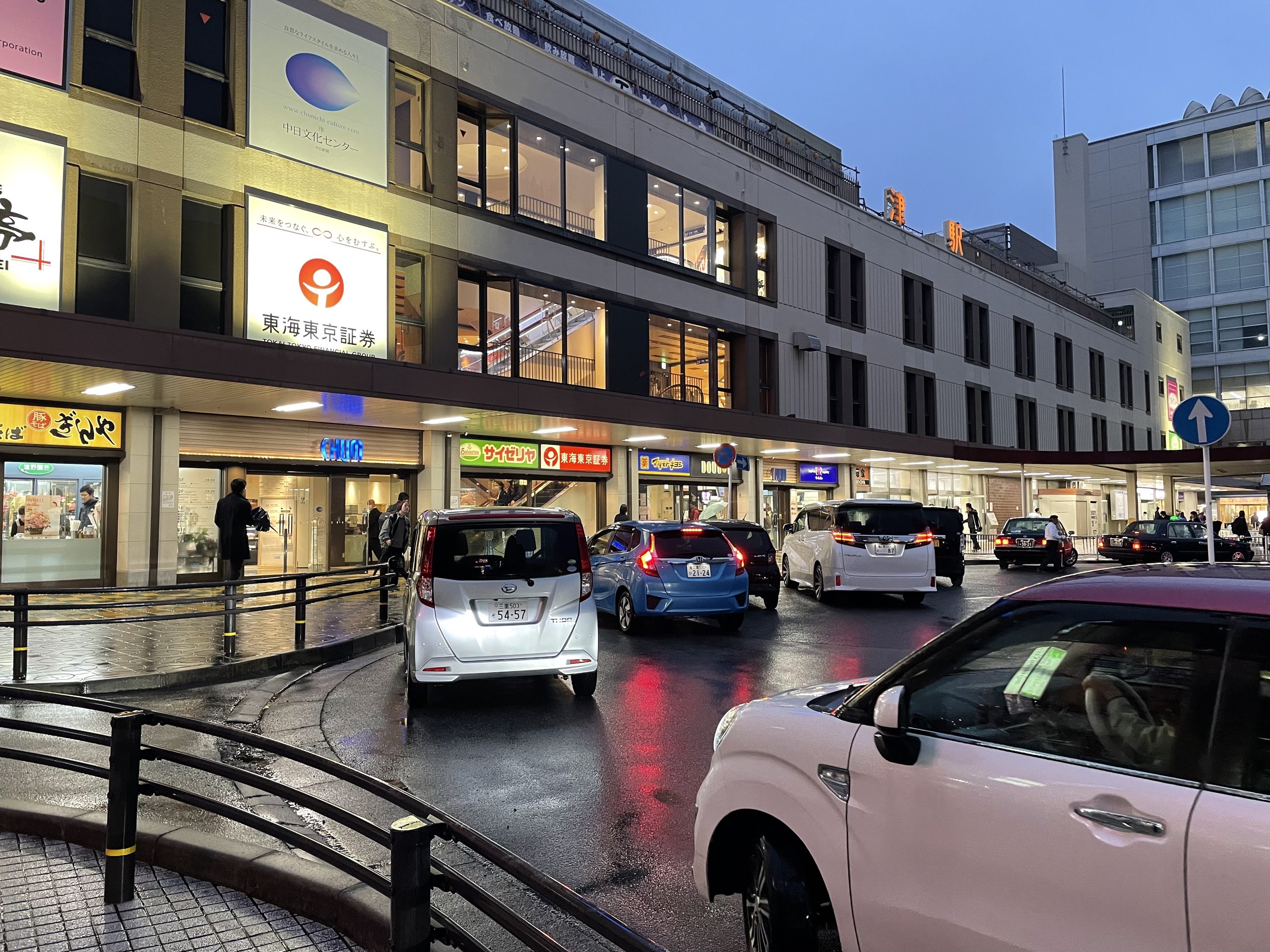
Car Weaving
Rain Shelter Blind Spots
No Directional Signs
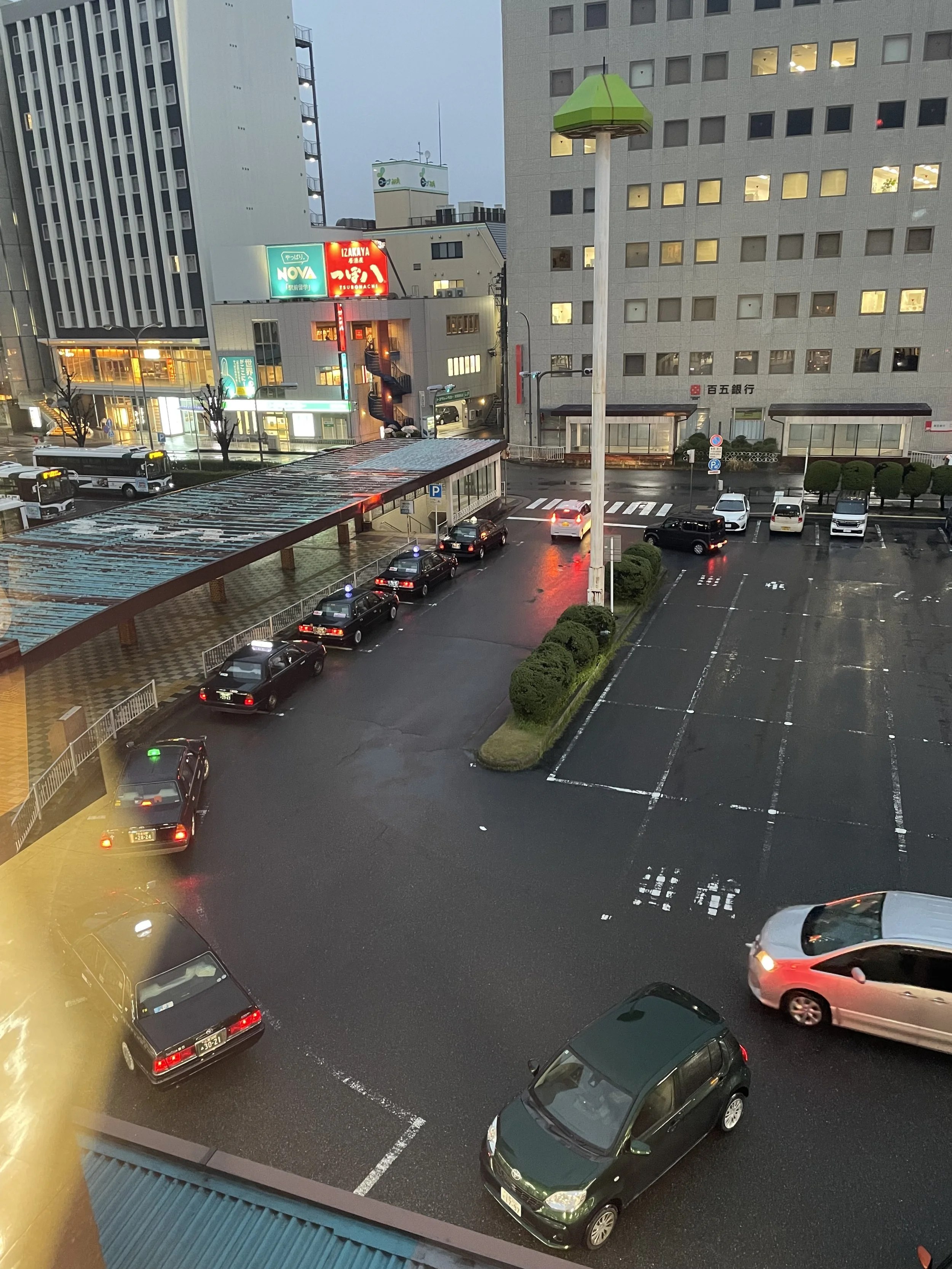
Underutilized Space
Solution
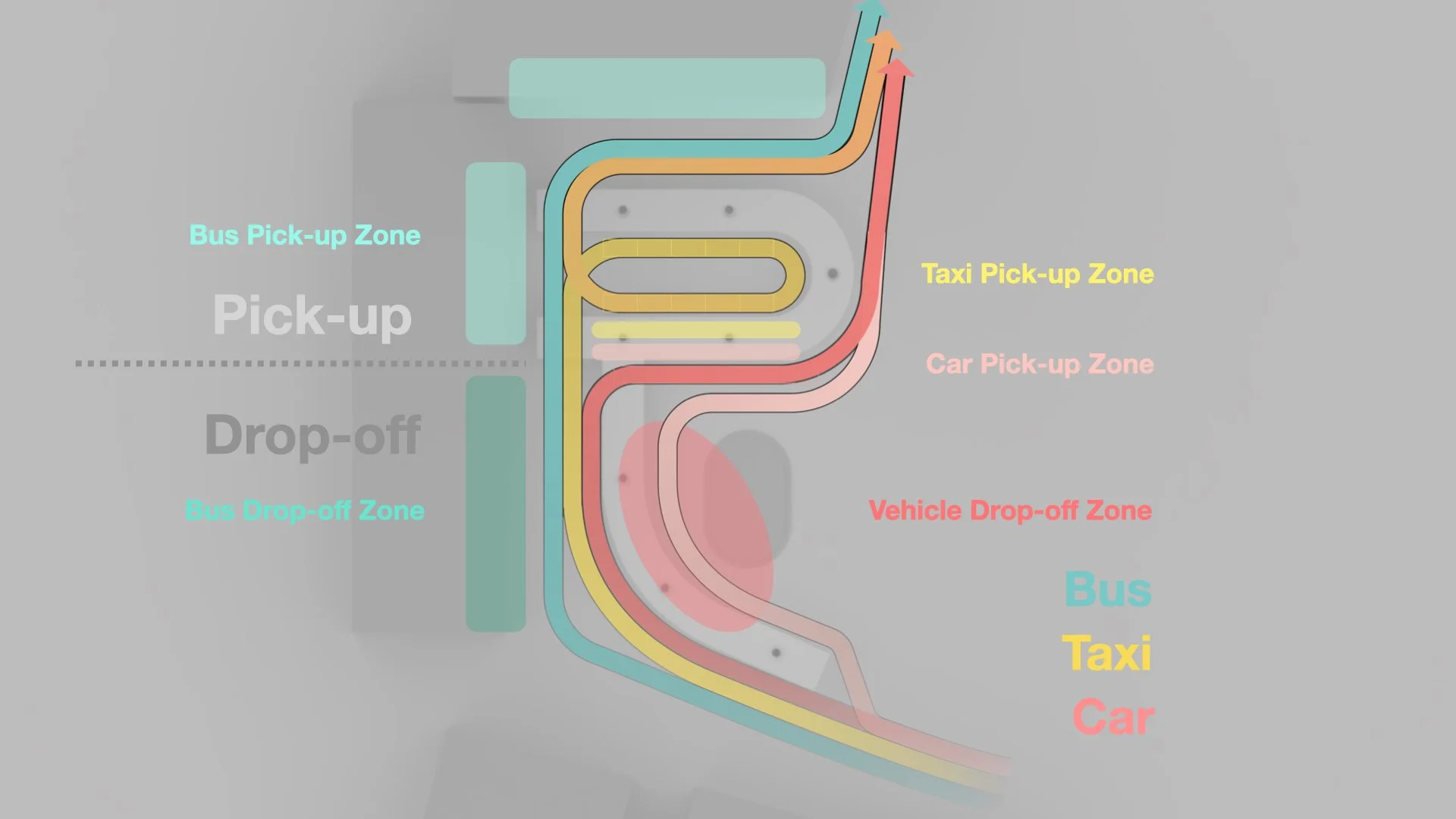
The redesign defines three circulation zones to reduce overlap and clarify hierarchy.The hiragana “ つ し ” was developed into a platform within the plaza. Acting as a spatial mediator, it physically separates traffic systems while serving as a recognizable civic marker.
Impact
The proposal was formally presented to the mayor and his advisory team, receiving positive feedback. It was later covered by NHK, followed by an interview with Mie Times, a regional newspaper. Mayor Maeba described the proposal as “a thoughtful and imaginative idea,” noting its creativity and potential.